 Save to Pinterest
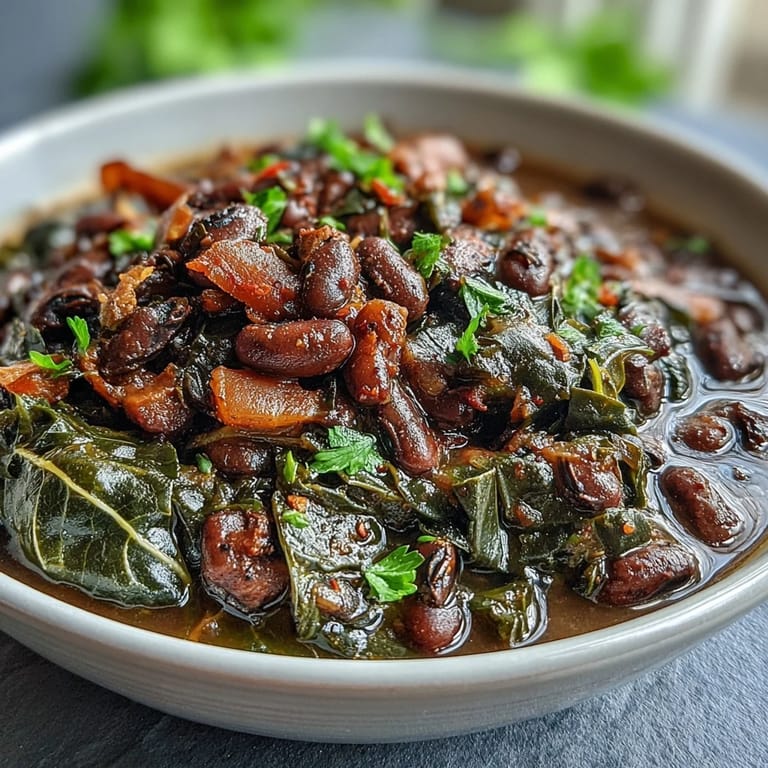
 My grandmother's kitchen always smelled like this stew simmering on the back burner, the kind of smell that made you want to sit at the table for hours just breathing it in. Years later, I realized she wasn't following a recipe at all—she was cooking from memory, from seasons of practice, from knowing exactly when the collards had given up their toughness to the pot. One winter afternoon, I finally asked her to walk me through it, and she laughed because I'd been eating it my whole life but never really watched. This stew is what I make now when I want to feel like I'm standing in her kitchen again.
I made this for a church potluck once and watched people go back for thirds—some of them didn't even know what black-eyed peas were, but it didn't matter because the stew spoke for itself. The collard greens turned silky, the peas stayed intact but tender, and that smoky-sweet balance from the paprika and vinegar kept drawing people back. Someone asked me if it was a family recipe, and I realized right then that it had become one, even though I'd only learned it a few years before.
Ingredients
- Olive oil: The foundation that carries all the other flavors—use a decent quality one since it's tasted directly.
- Yellow onion: Sweet and mellow once it softens, the base of everything good that follows.
- Garlic: Just three cloves, enough to whisper in the background, not shout.
- Carrots and celery: The holy trinity partners that add natural sweetness and depth without overpowering.
- Jalapeño: Optional, but it adds a gentle warmth that builds as you eat rather than hits all at once.
- Collard greens: Choose bunches with darker, thicker leaves—they hold up better through the long cooking and taste more substantial.
- Diced tomatoes: Canned is perfect here; the acidity brightens everything.
- Black-eyed peas: Dried and cooked taste earthier, but canned saves time without losing dignity.
- Vegetable broth: Low-sodium lets you control the salt and taste the peas themselves.
- Smoked paprika: This is where the soul lives—it transforms ordinary into unforgettable.
- Dried thyme: Earthy and subtle, it knows when to stay quiet.
- Cayenne pepper: Optional but worth including even at half the amount for depth.
- Bay leaves: Remove them before serving or people will find them and wonder what they are.
- Apple cider vinegar: The secret finish that makes everything taste more like itself.
Tired of Takeout? 🥡
Get 10 meals you can make faster than delivery arrives. Seriously.
One email. No spam. Unsubscribe anytime.
Instructions
- Build the base:
- Heat your oil over medium heat and listen for it to shimmer slightly, then add the onion, carrots, celery, and jalapeño if using. You want them soft and golden around the edges, which takes about 6 to 8 minutes of gentle stirring.
- Wake up the garlic:
- Once the vegetables have relaxed into the pot, add your minced garlic and stir constantly for just one minute—you're looking for that moment where it smells incredible but before it starts to brown.
- Toast the spices:
- Sprinkle in your paprika, thyme, cayenne if using, salt, and pepper, then stir everything for exactly one minute so the spices bloom and release their full character into the oil.
- Wilt the greens:
- Add your chopped collard greens in batches, stirring until they soften and collapse into the pot, which takes about 3 to 4 minutes and looks almost magical as they shrink.
- Bring it together:
- Pour in your tomatoes with their juices, the black-eyed peas, broth, water, and bay leaves, stirring gently so nothing sticks to the bottom of the pot.
- Let it rest:
- Bring everything to a simmer, then lower the heat and cover the pot, cooking for 45 to 50 minutes while you do something else—the stew doesn't need watching, just the occasional gentle stir. The collards will become tender and the peas will soften further while all the flavors start recognizing each other.
- Finish with balance:
- Remove the bay leaves and stir in the apple cider vinegar, which brightens everything instantly and brings all the flavors into focus. Taste it and adjust salt and pepper as your kitchen, your peas, your preference demands.
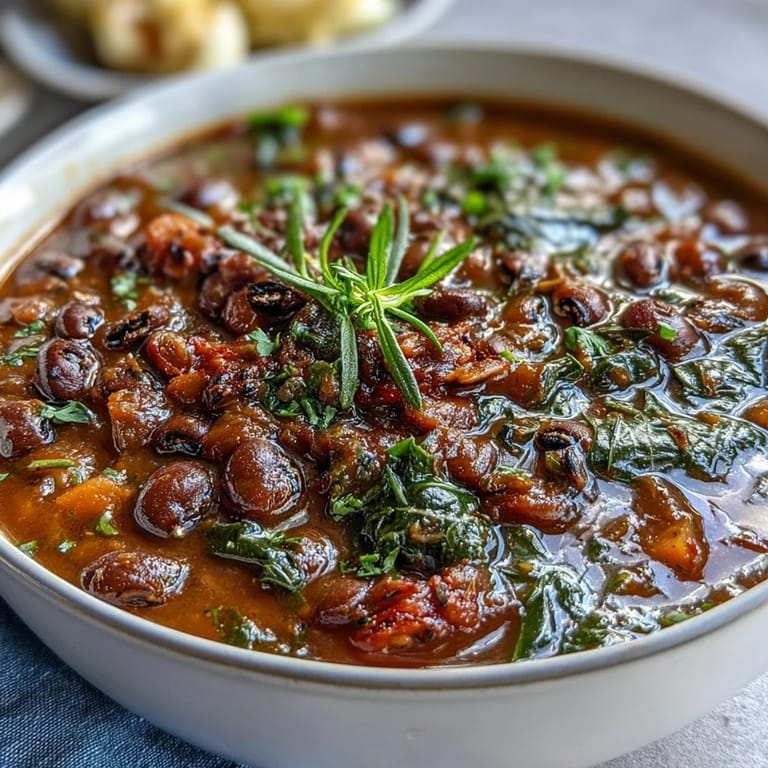 Save to Pinterest
 There's a moment, usually somewhere in the last ten minutes of cooking, where the kitchen stops smelling like individual ingredients and starts smelling like a memory. That's when you know the stew has arrived, when it's ready not just to eat but to become part of how someone remembers a meal, a moment, a person who made it for them.
The Smoky Question
This stew comes fully alive on its own, but if you're craving that deeper, richer smokiness that some soul food kitchens are known for, you have options. Sautéing diced smoked turkey or ham with the vegetables at the beginning adds a traditional touch without overwhelming the peas themselves. Or, stir a teaspoon of liquid smoke directly into the spices for a vegan-friendly version that delivers that same depth—just start with a teaspoon because it's potent and you can always add more but you can't take it back.
Heat and How Much You Want
The cayenne pepper in this recipe is entirely optional and there for subtle warmth, not punishment. If your kitchen loves spice, you can increase the jalapeño by seeding it less thoroughly, or just double the cayenne—the heat builds as you eat rather than hitting all at once, which means people at your table get to choose how much they want bite by bite.
What Makes This Recipe Worth Your Time
This stew asks so little of you—one pot, simple ingredients, and mostly waiting while flavors do the real work. It tastes like someone spent hours cooking when you really spent ten minutes prepping and the rest just happened. Serve it hot with cornbread if you have it, or just a spoon and a bowl, because the stew doesn't need anything fancy to make itself known.
- Apple cider vinegar is your final chance to taste and balance—never skip it because it's the difference between good and unforgettable.
- Leftover stew thickens slightly overnight as the peas absorb liquid, so add a splash of water when you reheat if it feels too dense.
- This freezes beautifully for up to three months, which means you can make it once and taste memory twice.
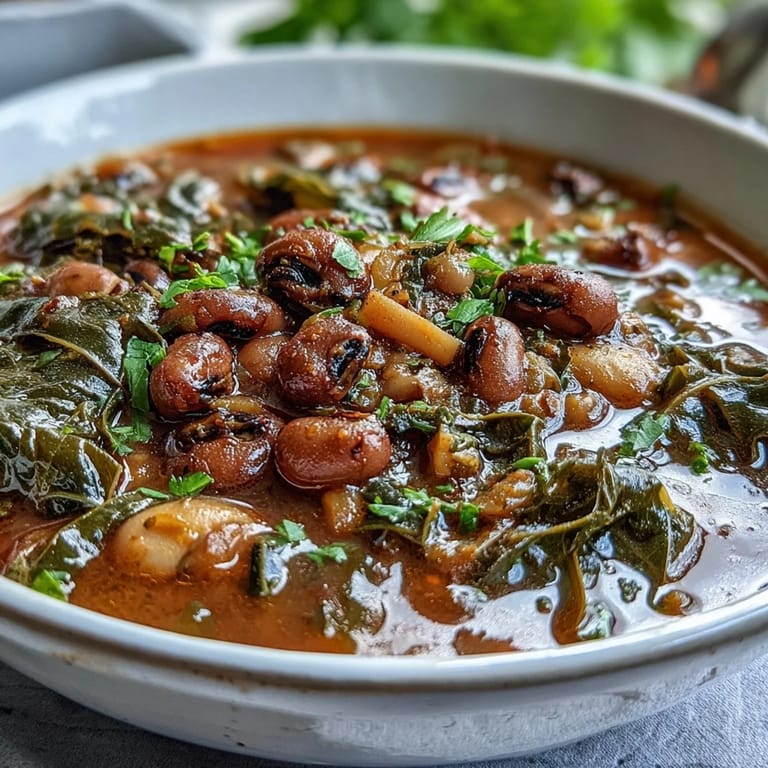 Save to Pinterest
 This is the kind of cooking where you feed people something that stays with them longer than a meal should, where they remember it when they're feeling tired or uncertain. That's the real recipe, and the one I'm hoping you'll make your own.
Recipe FAQs
- → What gives this stew its smoky flavor?
Smoked paprika and optional smoked turkey or ham add depth and smokiness. A small amount of liquid smoke can also enhance this aroma.
- → Can I adjust the heat level?
Yes, increase jalapeño or cayenne pepper to add spiciness, or omit them for a milder dish.
- → How do I prepare the collard greens for this dish?
Remove stems and chop the leaves before cooking. They’re added after sautéing the aromatics to wilt slightly in the simmering stew.
- → Is there a plant-based option?
Absolutely. Simply omit any smoked meats or liquid smoke to keep it vegetarian and vegan friendly.
- → What sides pair well with this stew?
Cornbread complements the hearty texture and smoky flavors beautifully, making it a traditional accompaniment.