 Save to Pinterest
 The aroma of fresh lemon zest hit me first as I mixed the batter, and suddenly I realized how much I love the gentle brightness spring brings to the kitchen. This spring cake with pressed edible flowers became an impromptu centerpiece at my seasonal get-together after I found a stray bouquet of violets in the yard. Sometimes, I catch myself humming while layering the lemon curd, drawn in by the promise of tangy sunshine between airy cake slices. The chatter of friends around the table always seems to pause as the edible blossoms arrive, each petal pressed carefully atop whipped cream. This cake is a celebration of clean air, curious possibility, and edible beauty.
Once, my sister and I made this cake for our cousin's garden birthday, and we argued about which flowers looked best pressed atop white cream. We both ended up grinning as violets, pansies, and rose petals transformed those moments into edible poetry our family still talks about. There's always a bit of laughter as we attempt to arrange blooms just so and inevitably eat the leftovers straight from the mixing bowl. It’s the kind of recipe that turns a plain afternoon into something unforgettable without even trying. Now every spring, someone requests the "flower cake," and the ritual returns.
Ingredients
- Unsalted butter: Softening the butter beforehand makes the sponge ultra light, and using real butter keeps the flavor pure.
- Granulated sugar: Creaming sugar thoroughly with butter is the secret to that fluffy sweetness; don't rush it.
- Eggs (room temperature): Room temperature eggs blend in perfectly, preventing curdling and helping the cake rise beautifully.
- Vanilla extract: Just a splash makes the cake layers fragrant, and a little extra never hurts.
- All-purpose flour: Sifting flour ensures a tender crumb and avoids accidental pockets of dryness.
- Baking powder: The lift in each slice comes from fresh baking powder; check the date for the best rise.
- Fine sea salt: Enhances both lemon and vanilla flavors without giving a sharp salty edge.
- Whole milk (room temperature): Alternating milk and dry ingredients keeps the batter smooth; cold milk will help the cake stay moist.
- Lemon zest: Nothing beats the burst of real lemon aroma; zest carefully for intensity without bitter pith.
- Freshly squeezed lemon juice: Real lemons make all the difference, and straining juice keeps the curd silky.
- Powdered sugar: Adds light sweetness to whipped cream, dissolving instantly for a cloudlike finish.
- Heavy cream: Start with chilled cream and bowl—everything whips faster for perfect peaks.
- Pressed edible flowers (pansies, violets, nasturtiums, rose petals): Only organic, confirmed edible flowers belong on a cake; pressing ahead ensures they sit prettily atop the cream.
Tired of Takeout? 🥡
Get 10 meals you can make faster than delivery arrives. Seriously.
One email. No spam. Unsubscribe anytime.
Instructions
- Prepare Your Pans:
- Set the oven to 350°F and grease two round pans, smoothing parchment into the bottom for easy release later.
- Mix the Batter:
- Beat butter and sugar until pale and fluffy; inhale deeply, the scent is pure comfort. Add eggs one at a time, stirring in vanilla and lemon zest until the mixture is silky and fragrant.
- Combine Dry and Wet:
- Whisk flour, baking powder, and salt together. Alternate mixing in dry ingredients and milk until everything just comes together; your batter should be sheeny and soft.
- Bake the Cakes:
- Divide the batter evenly in pans, then bake for about 25–30 minutes. The kitchen will smell like vanilla and lemons, and a toothpick should come out clean.
- Cool and Unmold:
- Let cakes rest in their pans for 10 minutes before turning onto wire racks. Waiting for them to cool feels endless, but it's worth it.
- Make Lemon Curd:
- Mix eggs, sugar, lemon juice, and zest in a heatproof bowl over simmering water, whisking constantly until thick and glossy. Take off heat, whisk in cold butter; it transforms into a creamy, tangy curd—let it chill.
- Whip the Cream:
- Beat cold cream with powdered sugar and vanilla until stiff, swooping peaks form and it stands tall on a spoon.
- Assemble Layers:
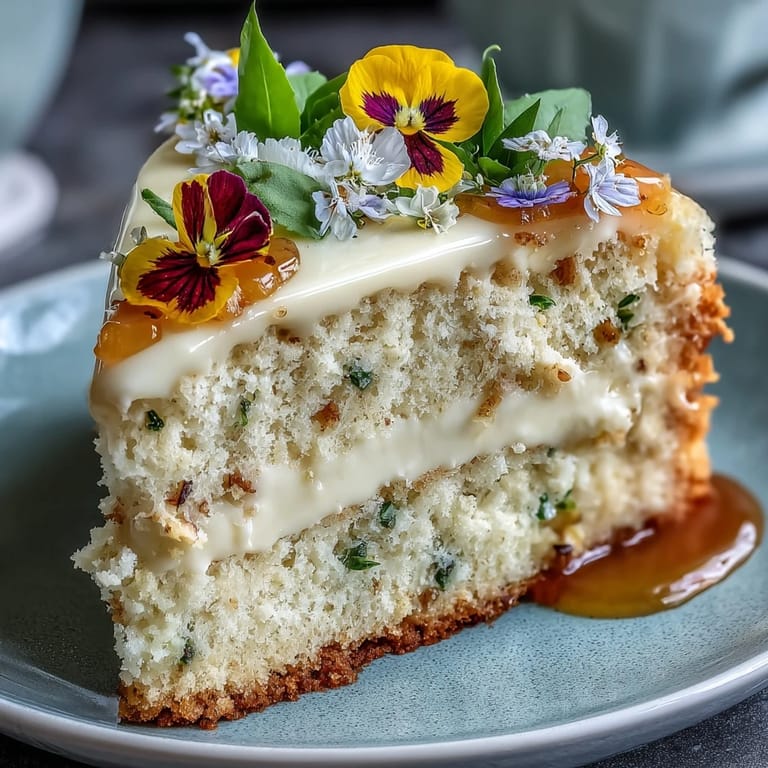
- Place one cake layer down, spread lemon curd thickly, and gently top with the second cake.
- Decorate:
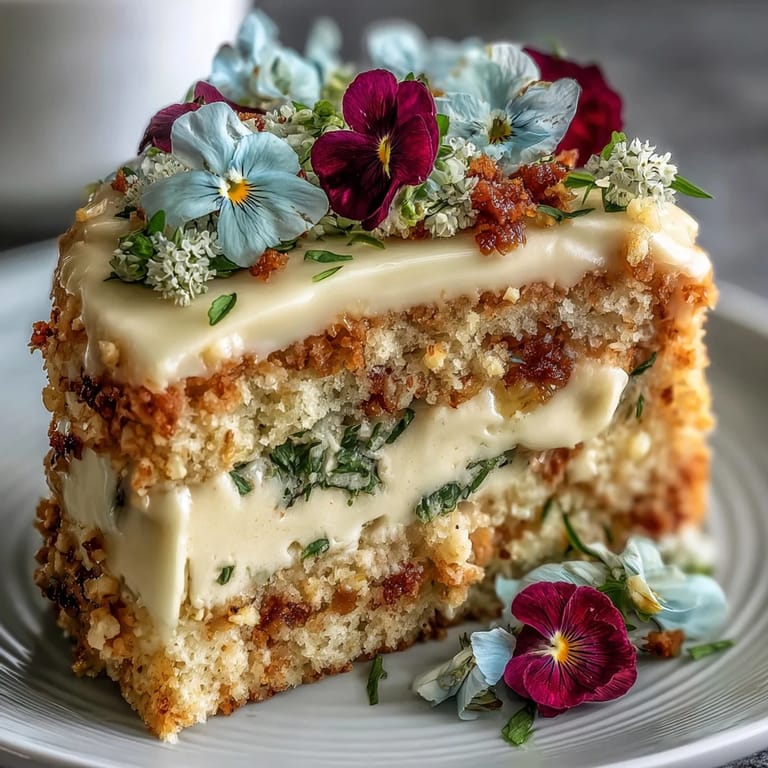
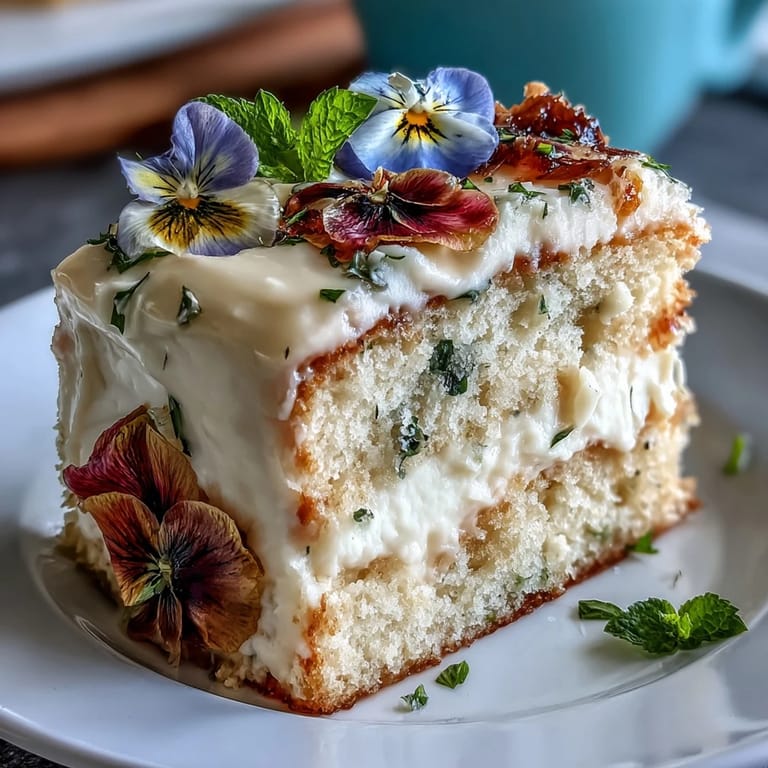
- Frost with whipped cream, swirling it lightly over the sides and top. Gently press edible flowers onto the surface—play with colors and patterns.
- Chill and Serve:
- Refrigerate the finished cake for at least 30 minutes to help the decorations set. When you cut it, each slice is a burst of spring.
 Save to Pinterest
 The first time this cake made its debut at our family spring brunch, someone mistook the violets for candy and was delighted to discover their floral flavor. Moments like that remind me how food can be conversation starters. The cake itself became not just dessert, but a centerpiece, surrounded by laughter and stories about favorite flowers. That day, even the reluctant bakers admitted they'd underestimated the power of pressed petals. It was as much a feast for the eyes as it was for taste.
Pressed Flowers—Choosing and Preparing
Not all pretty blooms are made for eating, so I always stick to organically grown pansies, violets, or nasturtiums that are free of pesticides. Pressing them between parchment under heavy books for a couple of days keeps petals flat and colors vivid. Checking each flower before placing it ensures no browning or wilting sneaks onto the cake. Sometimes, I even let friends pick their favorites from the garden for a personal touch. The process feels gentle and mindful, like crafting edible art.
How to Get Clean Cake Layers
One trick I learned after several messy outcomes is to let the cake cool completely, then use a long, sharp knife for cutting. Running the knife under hot water and wiping it dry before each slice keeps the layers even and the lemon curd intact. If the cake feels too soft to handle, chilling it first works wonders. Timing is everything—assemble just before serving for the freshest results. Those neat, distinct layers always impress guests.
Final Assembly: The Magic Touch
Assembling this cake feels almost ceremonial—each petal gets pressed with intention and a steady hand. The cream should be thick enough to hold the flowers but not too stiff to spread smoothly, so whip carefully and taste as you go. If you find the cake sliding during assembly, a quick chill in the fridge fixes it. The most dramatic effect comes from alternating colors across the top, so don't be shy with your pattern choices.
- Have extra whipped cream on hand in case you need touch-ups.
- Always leave a bare rim if you want a rustic finish.
- Let the cake sit for at least half an hour after decorating; the flavors and flowers settle beautifully.
 Save to Pinterest
 Every spring, this cake signals a new round of possibilities and playful kitchen discoveries. Sharing it feels like offering a piece of the season, each slice a burst of pure joy.
Recipe FAQs
- → How do I ensure the edible flowers are safe?
Use organically grown flowers confirmed edible. Avoid flowers treated with chemicals or pesticides.
- → Can the cake layers be made ahead?
You can bake cake layers a day in advance. Wrap and store at room temperature.
- → What tools are needed for assembly?
An electric mixer, mixing bowls, cake pans, wire rack, double boiler, and offset spatula are essential.
- → How do I intensify lemon flavor?
Brush cake layers with lemon syrup before stacking for a brighter, tangier profile.
- → What pairs nicely with this dessert?
Light teas like Earl Grey or sparkling Moscato complement the cake's citrus notes beautifully.
- → Is it suitable for vegetarians?
Yes, this cake is vegetarian, containing dairy, eggs, and wheat but no meat products.