 Save to Pinterest
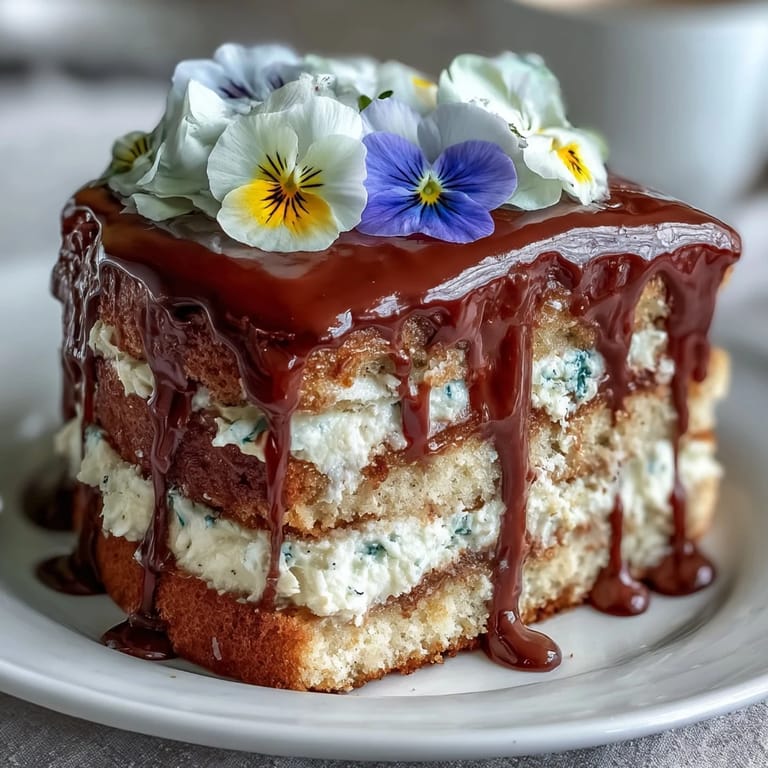
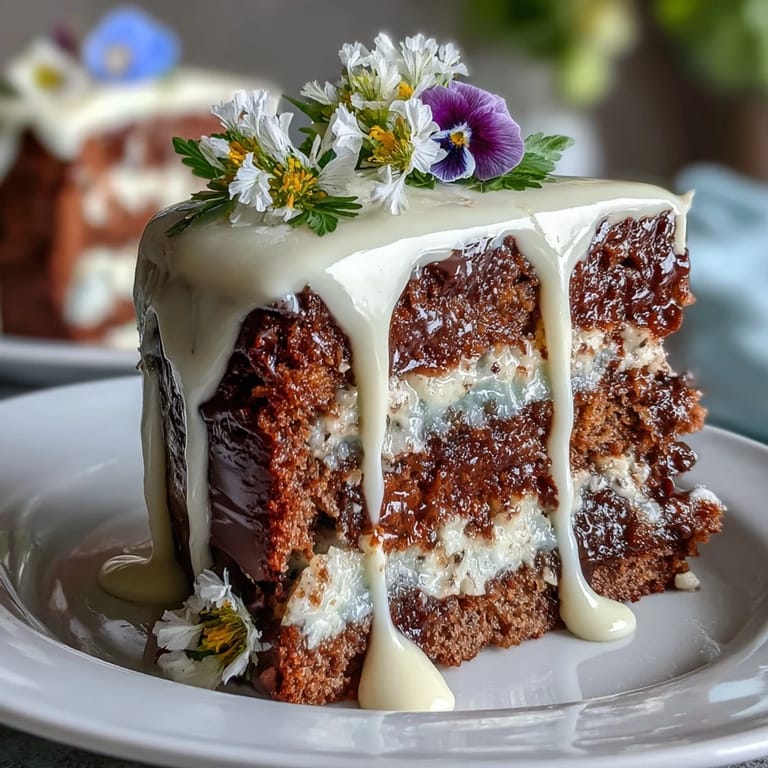
 There's something about a floral cake that makes you feel like you've stepped into a garden party, even if you're baking alone in your kitchen on a Tuesday afternoon. I discovered this combination quite by accident when a friend brought me edible flowers from her farmer's market haul, and I suddenly had to figure out what to do with them. The brightness of fresh lemon frosting paired with delicate vanilla layers felt like the perfect answer, and when I drizzled that white chocolate ganache over the top, watching it cascade down the sides, I knew I'd stumbled onto something special.
I'll never forget bringing this cake to my neighbor's garden brunch last April, nervous about whether the flowers would stay put during the drive. When I set it down on her table and everyone went quiet for a moment, just staring, I realized that sometimes the most delicious thing about a dessert is the joy it brings before anyone even takes a bite. That cake disappeared faster than any I'd made before, and three people asked for the recipe that same afternoon.
Ingredients
- All-purpose flour: The foundation of your sponge, and sifting it with the baking powder and salt prevents lumps that hide in the finished cake.
- Unsalted butter: Use the softened kind that leaves a slight fingerprint when you press it, not the melted or cold variety.
- Granulated sugar: Creamed with butter until light and fluffy, this creates the tender crumb you're after.
- Room temperature eggs: They blend smoothly into the batter without deflating it, which I learned the hard way when I used cold eggs once.
- Vanilla extract: Pure vanilla gives the sponge a subtle warmth that supports the lemon frosting without competing.
- Whole milk: Alternating it with flour keeps the batter balanced and prevents overdeveloping the gluten.
- Powdered sugar: Sift it before using to break up hidden lumps that would otherwise show up in your frosting.
- Fresh lemon juice and zest: Both matter equally—the juice provides tang, the zest adds those beautiful flecks and aromatic oils.
- Heavy cream: For the white chocolate ganache, it must be heavy cream and nothing else.
- White chocolate chips: Finely chop larger pieces so they melt evenly into a smooth, glossy drip.
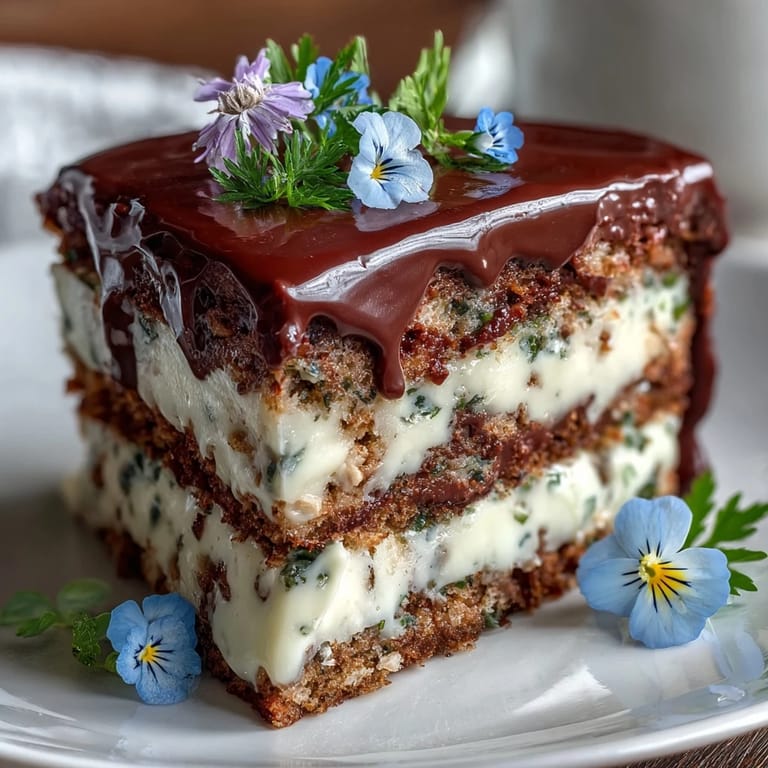
- Edible flowers: Buy from specialty food shops or farmers markets that certify pesticide-free, never from regular florists.
Tired of Takeout? 🥡
Get 10 meals you can make faster than delivery arrives. Seriously.
One email. No spam. Unsubscribe anytime.
Instructions
- Prepare your cake pans like you mean it:
- Grease the bottom and sides generously with butter, then line with a fitted parchment circle on the bottom. This prevents sticking and makes removal effortless, which matters when you have three delicate layers to manage.
- Build your dry ingredients carefully:
- Whisk flour, baking powder, and salt together in a bowl, breaking up any clumps as you go. This distributes the leavening evenly so your cake rises predictably.
- Cream butter and sugar until it transforms:
- Beat them together for 3 to 4 minutes until the mixture is pale, fluffy, and noticeably lighter in color. You're incorporating air that will help the cake rise.
- Add eggs one at a time with patience:
- Drop each egg in, beat well after each addition, and wait until it's fully incorporated before adding the next. Rush this and you'll have a broken-looking batter that bakes up dense.
- Alternate dry and wet ingredients gently:
- Start with a portion of flour mixture, then milk, then flour again, ending with flour. Mix on low speed just until combined—overworking develops gluten, which toughens the cake.
- Divide batter and bake with attention:
- Distribute the batter evenly among pans using a spatula or kitchen scale for precision. Bake until a toothpick inserted in the center comes out clean, which usually takes 25 to 30 minutes depending on your oven's personality.
- Cool layers properly before frosting:
- Let them sit in the pans for 10 minutes so they set up slightly, then turn out onto wire racks and cool completely at room temperature. A warm cake will melt frosting and slide around frustratingly.
- Make frosting with the same care:
- Beat softened butter until creamy and pale, then add powdered sugar gradually while beating, scraping down the bowl frequently. Mix in lemon juice and zest, then add milk a tablespoon at a time until you reach a spreadable consistency.
- Assemble with confidence:
- Level each cooled cake layer if the top domed too much, then place one on your serving plate. Spread frosting generously, stack the next layer, repeat, then frosting the outside smoothly.
- Create the white chocolate drip with precision:
- Heat cream until steaming but not boiling, pour it over chopped white chocolate, wait 2 minutes to let the residual heat work, then stir until completely smooth. Let it cool until it's the consistency of thick syrup before drizzling.
- Drip and decorate with artistry:
- Using a spoon or squeeze bottle, let the white chocolate cascade down the sides of the cake naturally, then spread any remaining ganache across the top. Press edible flowers onto the frosting while it's still slightly tacky, and they'll stay put.
 Save to Pinterest
 What struck me most about this cake was watching my daughter, who usually ignores desserts, pick off each edible flower one by one and examine it before eating it. In that moment, the cake became less about technique and more about creating something beautiful enough to make someone pause and really look.
The Science Behind the Layers
Three layers might seem excessive, but they're what transforms this from a nice cake into a showstopper. The delicate height means each slice captures all three elements—tender sponge, bright frosting, silky chocolate—without becoming structurally unsound. I've learned that thin layers also bake more evenly and cool faster, reducing the risk of doming or dry edges.
Lemon Frosting and Why It Works
Traditional buttercream can feel heavy, but when you add lemon juice and zest, something magical happens. The acidity sharpens the sweetness, the zest adds actual flavor rather than just taste, and the whole frosting feels lighter and more sophisticated. The key is not to skip sifting the powdered sugar—I learned this by discovering lumpy frosting mid-application once, which is an unpleasant surprise.
White Chocolate Drip Perfection
The drip isn't just decoration; it's a textural contrast that adds richness without overwhelming the lemony brightness of the rest of the cake. The trick is understanding that white chocolate behaves differently than dark chocolate—it's more delicate, burns more easily, and sets faster. Patience while it cools is the difference between a beautiful, controlled drip and a glossy mess.
- Always use a heatproof bowl for the ganache and watch the cream carefully so it doesn't boil and curdle.
- If you're tinting with gel food coloring, add just a tiny amount—gel is concentrated and colors spread as the ganache cools.
- A squeeze bottle gives you the most control for the drip, but a regular spoon works beautifully if you angle it right.
 Save to Pinterest
 This cake has become my go-to when I want to impress someone without spending all day in the kitchen. It looks like a delicate, complicated creation, but it's honestly just careful assembly of simple, delicious components.
Recipe FAQs
- → How do I make the white chocolate drip smooth?
Heat the cream just until simmering, then pour over the white chocolate. Let it sit for 2 minutes before stirring gently until smooth and slightly thickened.
- → Can I use different flowers for decoration?
Yes, use only edible, pesticide-free flowers like violets, pansies, or rose petals to ensure safety and enhance appearance.
- → What’s the best way to achieve a light vanilla sponge?
Beat butter and sugar until fluffy, add eggs one at a time, then alternate dry ingredients and milk, mixing just until combined.
- → How should I store the cake to maintain freshness?
Store in the refrigerator for up to 3 days and bring to room temperature before serving for optimal flavor and texture.
- → Can I make this cake gluten-free?
Yes, substitute all-purpose flour with a gluten-free blend in equal amounts for a gluten-free version.
- → What flavor does the lemon frosting add?
The lemon frosting provides a bright, tangy citrus note that balances the sweetness of the vanilla sponge and white chocolate drip.