 Save to Pinterest
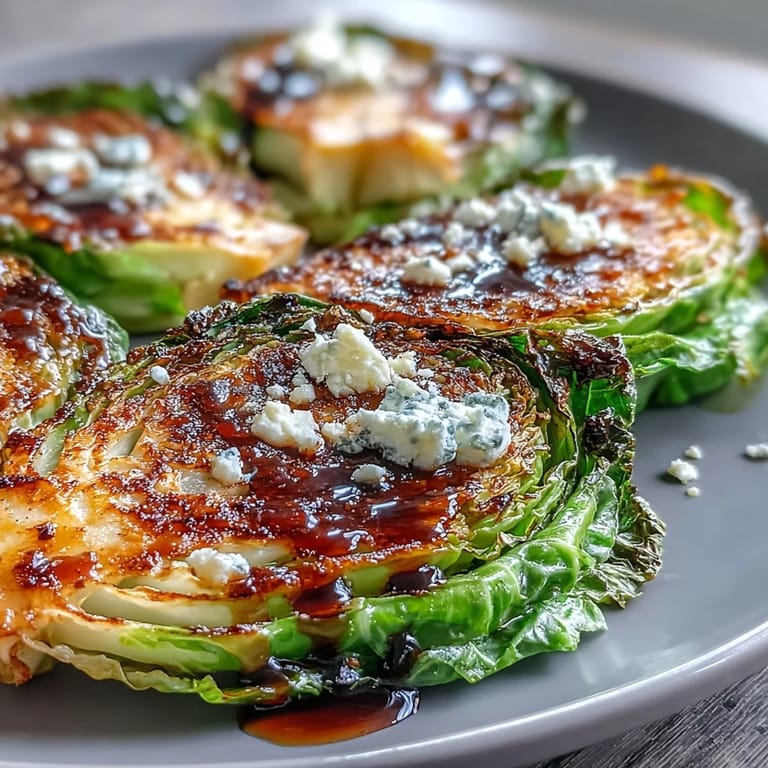
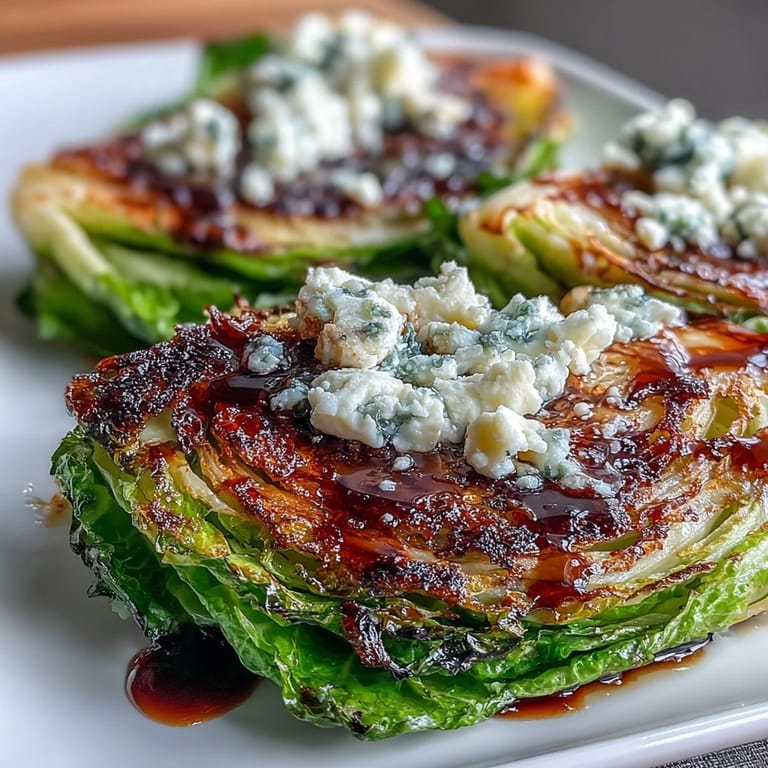
 The oven door creaked open and I saw them: four cabbage rounds, edges curled and bronzed like ancient parchment, sitting on a tray I'd almost forgotten about. I hadn't expected much when I sliced that cabbage into thick slabs, honestly. It felt like a gamble, a way to use up what was left in the crisper drawer. But the moment I crumbled cold feta over those roasted steaks and watched the balsamic glaze pool into the crevices, I realized I'd stumbled onto something quietly magnificent.
I made this for a small gathering once, plating the steaks on a wide wooden board and letting everyone pull them apart with their fingers. The cabbage leaves peeled away in soft, roasted layers, and someone said it tasted like a deconstructed salad that had been through a flavor amplifier. We polished off the entire tray before the main course even came out, standing around the kitchen counter, laughing and licking balsamic from our thumbs.
Ingredients
- Green cabbage: Choose a large, firm head so the steaks hold together during roasting, the outer leaves should be tight and glossy.
- Olive oil: This helps the edges crisp up and prevents the cabbage from drying out, use a good quality oil for better flavor.
- Sea salt and black pepper: Simple seasoning lets the natural sweetness of roasted cabbage shine through without competing.
- Feta cheese: The creamy, tangy crumbles melt slightly on the hot cabbage, adding richness and a salty punch.
- Balsamic glaze: A thick, syrupy reduction that clings to every crevice, balancing the dish with sweet acidity.
- Fresh parsley and lemon zest: Optional but lovely, they add brightness and a hint of freshness to the final plate.
Tired of Takeout? 🥡
Get 10 meals you can make faster than delivery arrives. Seriously.
One email. No spam. Unsubscribe anytime.
Instructions
- Preheat and Prep:
- Set your oven to 220°C (425°F) and line a baking sheet with parchment paper. This high heat is essential for achieving those crispy, golden edges.
- Slice the Cabbage:
- Remove any loose outer leaves, then cut the cabbage vertically into four thick steaks, about 2.5 cm each. Keep the core intact so the slices hold together.
- Oil and Season:
- Arrange the steaks in a single layer on your prepared sheet. Brush both sides generously with olive oil, then sprinkle evenly with salt and pepper.
- Roast and Flip:
- Slide the tray into the oven and roast for 20 minutes. Carefully flip each steak with a spatula, then roast for another 8 to 10 minutes until the edges are crisp and golden.
- Add Feta and Glaze:
- Remove from the oven and immediately scatter crumbled feta over the hot cabbage. Drizzle balsamic glaze generously across the top, then finish with parsley and lemon zest if you like.
 Save to Pinterest
 There was an evening when I served these alongside grilled lamb chops, and my friend who claims to hate cabbage reached for a second steak before I could even offer. She looked up, surprised at herself, and admitted she'd never tasted cabbage like this. It wasn't mushy or bitter, it was sweet, savory, and almost meaty in texture. That moment reminded me how a single ingredient, treated with respect and heat, can completely shift someone's opinion.
Choosing Your Cabbage
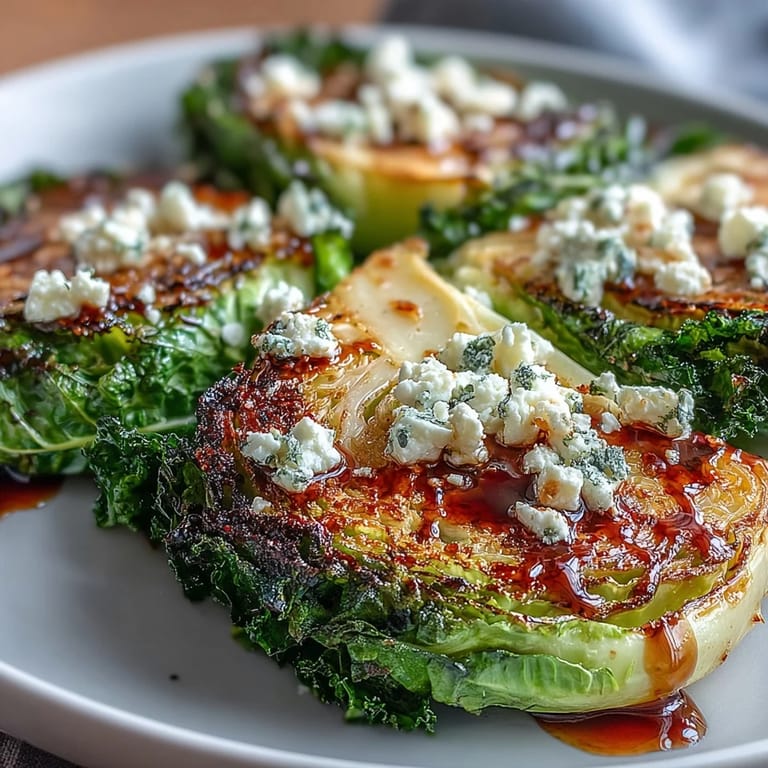
Look for a cabbage that feels heavy for its size, with tightly packed leaves and no soft spots. Green cabbage works beautifully here, but I've also tried this with Savoy cabbage, which roasts up even more tender with frilly, crispy edges. The key is slicing through the core so each steak stays intact, if the outer leaves loosen, tuck them back under before roasting.
Making Your Own Balsamic Glaze
If you have balsamic vinegar on hand, simmer half a cup in a small pot over medium heat until it reduces by half and coats the back of a spoon. It takes about 10 minutes and the kitchen will smell like a sweet, tangy dream. Let it cool slightly before drizzling, it thickens as it cools and clings better to the cabbage.
Serving and Pairing Ideas
These cabbage steaks are stunning on their own, but they also play well with grilled meats, roasted chicken, or a simple grain bowl. I've served them warm as a side dish and also at room temperature as part of a mezze spread. The feta and balsamic make them feel festive enough for guests, but they are easy enough for a weeknight.
- Try adding a pinch of chili flakes before roasting for a subtle kick.
- Swap feta for crumbled goat cheese if you prefer a milder, creamier finish.
- Serve with crusty bread to soak up any extra glaze left on the plate.
 Save to Pinterest
 This dish has become my go to when I want something impressive without the fuss. It reminds me that vegetables, when roasted with care, can steal the show.
Recipe FAQs
- → How do I cut cabbage into steaks without them falling apart?
Keep the core intact when slicing. Cut the cabbage vertically through the core into 1-inch thick slices. The core holds the layers together during roasting.
- → Can I make this dish ahead of time?
While best served immediately for maximum crispiness, you can roast the cabbage up to 2 hours ahead and reheat in a 200°C oven for 5-7 minutes before adding toppings.
- → What can I substitute for feta cheese?
Goat cheese, crumbled blue cheese, or shaved Parmesan work beautifully. For a dairy-free version, try toasted pine nuts or sunflower seeds for texture.
- → How do I know when the cabbage is done roasting?
The cabbage should be golden brown at the edges with visible caramelization and fork-tender in the center. The outer leaves will be crispy while the interior remains slightly tender.
- → Can I use red cabbage instead of green?
Absolutely. Red cabbage works wonderfully and adds vibrant color to your plate. The cooking time and method remain the same.
- → What should I serve with cabbage steaks?
These pair excellently with grilled chicken, roasted lamb, seared fish, or quinoa for a vegetarian meal. They also complement Mediterranean grain bowls beautifully.