 Save to Pinterest
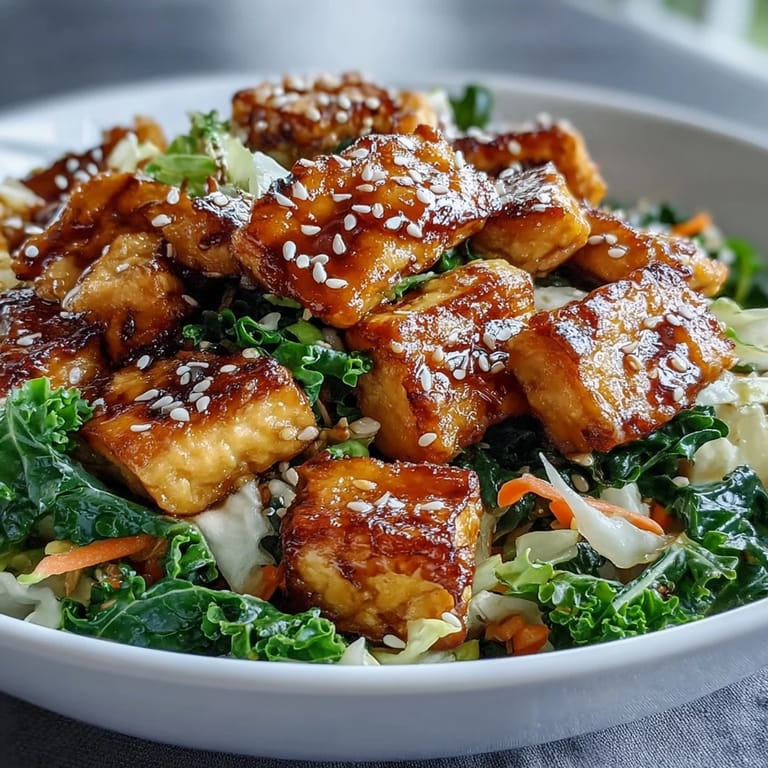
 There's something about the sizzle of tofu hitting a hot pan that makes me feel like I'm cooking something special, even on the most ordinary Tuesday evening. This Tofu Egg Roll in a Bowl came together one night when I was craving the crispy, savory comfort of takeout but wanted something I could actually feel good about eating. Instead of wrestling with wrapper rolling, I decided to capture all those beloved egg roll flavors—the ginger bite, the sesame warmth, the satisfying crunch—in one generous, colorful bowl. What started as a shortcut became something I reach for constantly, and honestly, it tastes even better than the traditional version.
I made this for my roommate on a night when she'd been stuck in meetings all day and came home looking completely defeated. She took one bite, and her whole face changed—she actually laughed and said it tasted like someone had translated her cravings into a bowl. That moment made me realize this dish has this quiet power to turn a rough day around, and now whenever either of us needs a pick-me-up, this is what we make.
Ingredients
- Extra-firm tofu: The pressing step here is genuinely non-negotiable—I learned this the hard way when I skipped it once and ended up with soggy, steamed tofu instead of golden, crispy cubes that actually have character.
- Cornstarch: This is the secret weapon that transforms tofu from tender to wonderfully crispy, creating those golden-brown edges that make this bowl feel indulgent.
- Green cabbage: Its mild sweetness and natural crunch balance the umami sauce perfectly, and it stays vibrant when you don't overcook it.
- Kale: The hearty texture holds up beautifully to the heat and sauce, though honestly bok choy works just as well if kale isn't your thing.
- Spinach: It wilts down at the very end, adding iron and that silky texture without weighing down the whole bowl.
- Carrot: The natural sweetness here is key—julienne it thin so it actually cooks through and becomes tender rather than tough.
- Soy sauce or tamari: Low-sodium is important here because you want to taste the other flavors, not just salt.
- Rice vinegar: This bright acidity cuts through the richness and keeps everything from feeling heavy.
- Toasted sesame oil: Use the real stuff, not the cheap imitation—it's what makes this sauce actually smell like something special.
- Sesame seeds: Toast them yourself if you can, or buy them already toasted and keep them on hand because they make everything taste instantly more finished.
Tired of Takeout? 🥡
Get 10 meals you can make faster than delivery arrives. Seriously.
One email. No spam. Unsubscribe anytime.
Instructions
- Press and prepare the tofu:
- Wrap your tofu block in clean paper towels or a thin kitchen cloth and weight it down—I use a cast iron pan with a few cans on top—for about fifteen minutes while you prep your vegetables. This is when patience actually pays off, because the drier your tofu, the crispier it becomes.
- Coat and crisp the tofu:
- Toss those tofu cubes with cornstarch until they're evenly dusted, then sear them in hot oil until they develop golden-brown, crispy edges on all sides. The cornstarch creates this amazing texture contrast that honestly might surprise you.
- Build the aromatics:
- Add minced garlic, ginger, and green onions to the same pan and let them bloom for just a minute—your kitchen will smell incredible, and you'll know you're on the right track.
- Cook the heartier vegetables:
- Stir-fry the cabbage, kale, and carrot together for about three to four minutes until they're just tender but still have some snap. The timing here is crucial because overcooked vegetables lose that brightness that makes this bowl special.
- Wilt the spinach:
- Add it at the very end so it stays vibrant and doesn't become that gray, deflated version that happens when you cook it too long.
- Make and add the sauce:
- Whisk together your sauce ingredients in a small bowl, then return the crispy tofu to the pan and pour everything over top. Toss gently for about two minutes so every piece gets coated and the pan is just hot enough that everything comes together.
- Finish with intention:
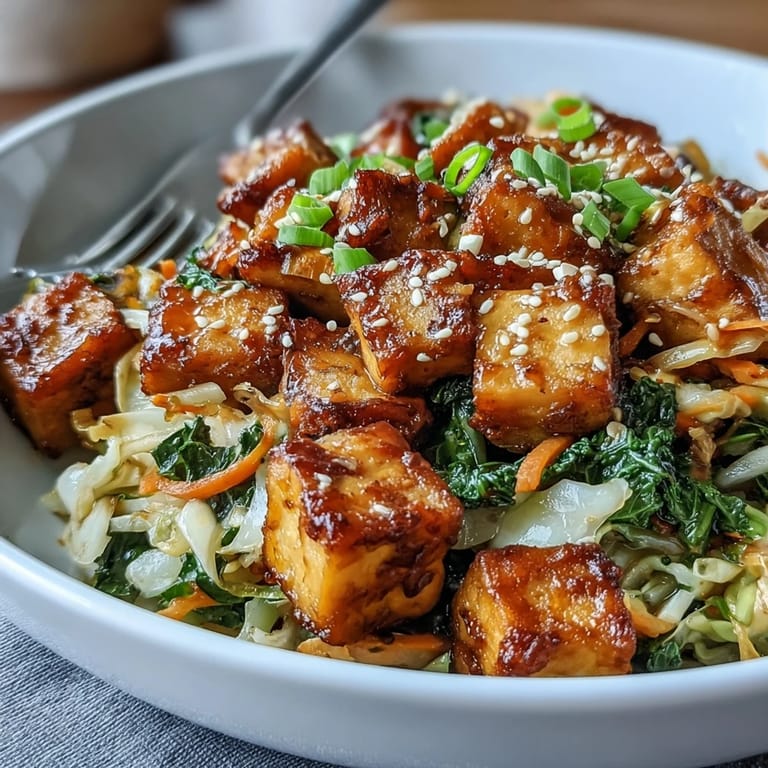
- Sprinkle generously with sesame seeds, fresh green onions, and chili flakes if you want that little heat kick at the end.
 Save to Pinterest
 What I love most about this bowl is that it works equally well as a weeknight dinner for one, a meal you can throw together when friends pop over, or meal prep for the week ahead. There's something grounding about the ritual of pressing tofu, watching it crisp up, and building those layers of flavor—it makes even a simple dinner feel intentional.
The Magic of Pressing Tofu
I used to think pressing tofu was this complicated extra step, until I realized it's actually the difference between a good bowl and one that makes you feel like you've cooked something really worthwhile. When you press out that excess moisture, you're creating space for the tofu to absorb the sauce and develop that crispy exterior that makes every bite satisfying. I've tried shortcuts—skipping it, using a tofu press too quickly, wrapping it loosely—and every single time I regretted it.
Building Layers of Flavor
The sauce in this bowl is deceptively simple, but it's built on this foundation of complementary flavors that actually work together rather than fighting for attention. The soy sauce brings that deep umami foundation, the rice vinegar adds brightness so it doesn't feel heavy, the sesame oil brings that toasted richness, and a touch of maple syrup creates just enough sweetness to balance the white pepper's gentle heat. I learned this approach from cooking a lot of Asian dishes and realizing that balance is everything—you're not trying to make one ingredient shine, but rather creating this harmony where each element makes the others taste better.
Why This Works as Meal Prep
One Saturday I made a double batch thinking it would get me through the week, and by day three I realized the vegetables stay crisp instead of getting soggy because there isn't any excess liquid in the sauce. The tofu stays firm, the flavors actually deepen a little, and the whole thing reheats beautifully on the stovetop if you add a splash of water and keep the heat low. If you're prepping for the week, keep the sesame seeds and extra green onions separate and add them right before eating so they stay fresh and crispy.
- Store it in airtight containers and it keeps for up to four days without the quality suffering noticeably.
- If you're making ahead, you can press and cut the tofu the night before, which saves you even more time on cooking day.
- The sauce actually benefits from sitting overnight, so making it the day before is actually the smarter move.
 Save to Pinterest
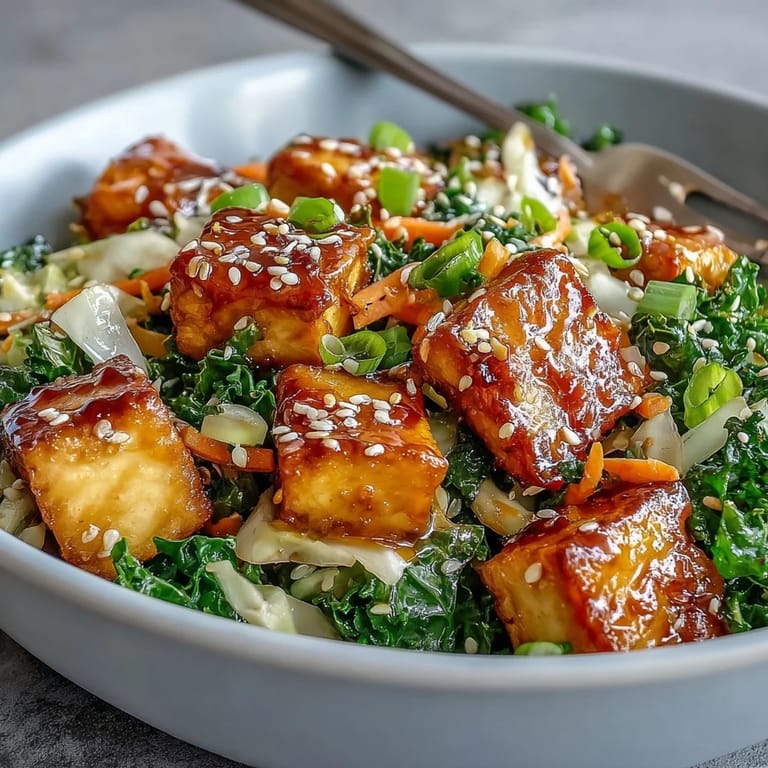
 This bowl has become one of those recipes that feels simple enough to make on any night but special enough that it actually feels like cooking something meaningful. Once you get comfortable with it, you'll find yourself tweaking it based on what's in your vegetable drawer, and that's exactly when it becomes truly yours.
Recipe FAQs
- → How do I get crispy tofu?
Press the tofu thoroughly to remove excess moisture, then toss with cornstarch before pan-frying. Cook over medium-high heat for 6-8 minutes, turning occasionally, until golden and crispy on all sides.
- → Can I make this gluten-free?
Yes, simply use tamari instead of soy sauce. All other ingredients are naturally gluten-free, making this bowl easy to adapt for gluten-free diets.
- → What can I serve with this bowl?
Enjoy it as-is for a lighter meal, or serve over cooked brown rice, quinoa, or rice noodles for extra substance. You can also wrap it in lettuce cups for a fresh twist.
- → How long does this keep in the refrigerator?
Store in an airtight container for up to 4 days. The tofu may soften slightly when reheated, but the flavors will continue to develop. Reheat gently in a skillet or microwave.
- → Can I use different vegetables?
Absolutely. Try bok choy, napa cabbage, bell peppers, or snap peas. The sauce works beautifully with most stir-fry vegetables, so feel free to use what you have on hand.