 Save to Pinterest
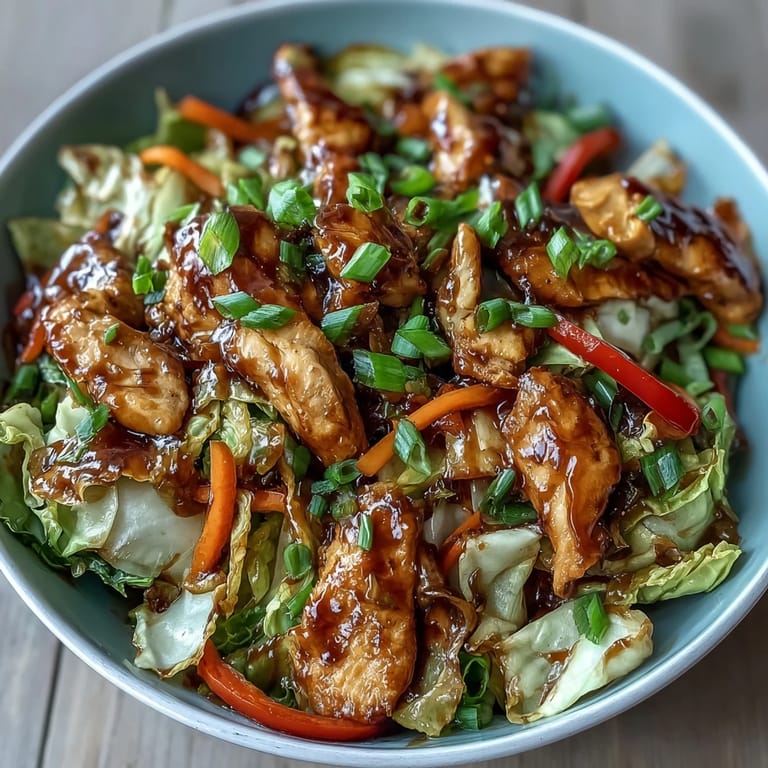
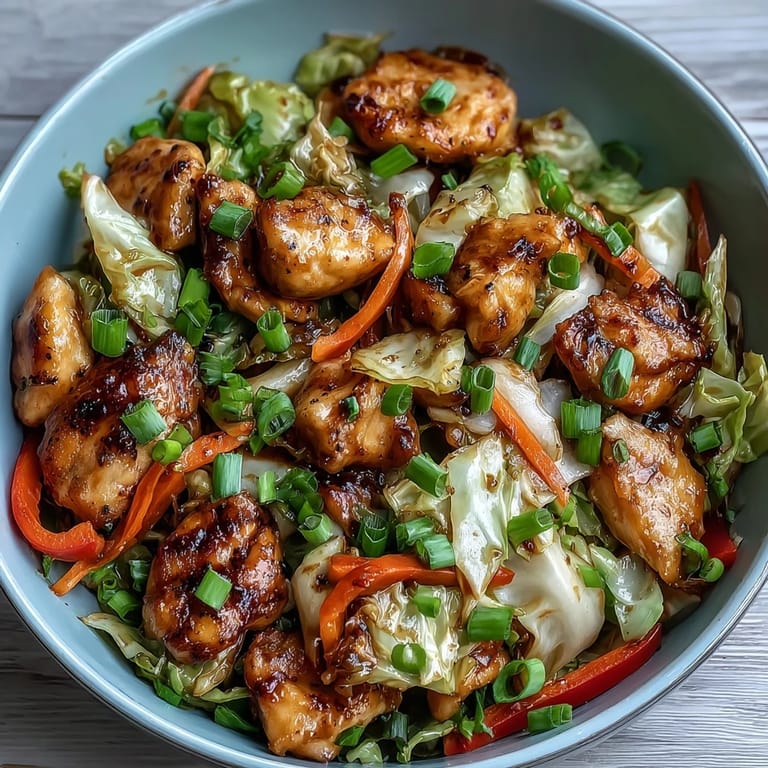
 My neighbor knocked on my door one Wednesday holding a massive cabbage from her garden, grinning like she'd just won the lottery. I had leftover chicken in the fridge and about twenty minutes before I needed to pick up the kids. What started as a pantry raid turned into one of those accidental wins that you end up making on repeat. The kitchen smelled like ginger and garlic within minutes, and by the time everyone sat down, that giant cabbage had disappeared into a skillet of golden chicken and bright vegetables that nobody believed came together so fast.
I made this for my sister when she came over stressed about work deadlines and refusing to order delivery again. She ate two servings standing at the counter, then asked if I could text her the recipe before she left. Now she makes it every Sunday and portions it out for her week. Sometimes the best recipes are the ones that feel like a small rescue on a busy day.
Ingredients
- Boneless, skinless chicken breast or thighs (500 g / 1 lb), thinly sliced: Thighs stay juicier and more forgiving if you overcook them slightly, but breasts work beautifully if sliced thin and cooked fast over high heat.
- Green cabbage (1 small head, about 600 g), cored and thinly sliced: Don't be intimidated by the volume, it wilts down quickly and adds a satisfying crunch that soaks up all that sauce.
- Carrot (1 medium), julienned: A pop of color and a little sweetness that balances the salty elements perfectly.
- Red bell pepper (1), thinly sliced: Adds brightness and a slight char if your pan gets hot enough, which only makes it better.
- Green onions (3), sliced: Stirred in at the end for a fresh, sharp bite that cuts through the richness.
- Soy sauce (3 tbsp): The backbone of the sauce, use tamari if you need it gluten free and the flavor stays just as deep.
- Oyster sauce (1 tbsp): This is where the umami magic happens, it adds a savory depth you can't quite replicate with anything else.
- Hoisin sauce (1 tbsp): A touch of sweetness and complexity that makes the sauce cling to every piece of chicken and vegetable.
- Rice vinegar (1 tbsp): Brightens everything up and keeps the sauce from feeling too heavy.
- Sesame oil (2 tsp): Just a little goes a long way, it adds that toasty, nutty aroma that makes the whole dish smell incredible.
- Cornstarch (2 tsp): Mixed with water, this thickens the sauce so it coats everything instead of pooling at the bottom of the pan.
- Water (2 tbsp): Helps the cornstarch dissolve and keeps the sauce from getting too thick or sticky.
- Sugar (1 tsp): Balances the salty and tangy elements, you won't taste sweetness but you'll notice if it's missing.
- Vegetable oil (2 tbsp): High smoke point and neutral flavor, perfect for stir frying at high heat without burning.
- Garlic (3 cloves), minced: The moment it hits the hot oil, your kitchen transforms, don't skip this step.
- Fresh ginger (1 inch piece), peeled and grated: Adds warmth and a little zing that makes the whole dish feel vibrant and alive.
Tired of Takeout? 🥡
Get 10 meals you can make faster than delivery arrives. Seriously.
One email. No spam. Unsubscribe anytime.
Instructions
- Mix the sauce:
- In a small bowl, whisk together soy sauce, oyster sauce, hoisin sauce, rice vinegar, sesame oil, cornstarch, water, and sugar until the cornstarch dissolves completely. Set it aside so it's ready to pour when you need it.
- Cook the chicken:
- Heat 1 tablespoon vegetable oil in a large skillet or wok over medium high heat until it shimmers. Add the sliced chicken in a single layer and let it sit undisturbed for a minute to get a golden edge, then stir fry for 4 to 5 minutes until cooked through and remove it to a plate.
- Bloom the aromatics:
- Add the remaining tablespoon of oil to the same pan, toss in the garlic and ginger, and stir for about 30 seconds until the smell makes you want to lean over the stove. Don't let them burn or they'll turn bitter.
- Stir fry the vegetables:
- Toss in the cabbage, carrot, and bell pepper, stirring constantly so everything gets a little char and stays crisp tender, about 3 to 4 minutes. The cabbage will shrink down fast so don't worry if it looks like too much at first.
- Bring it all together:
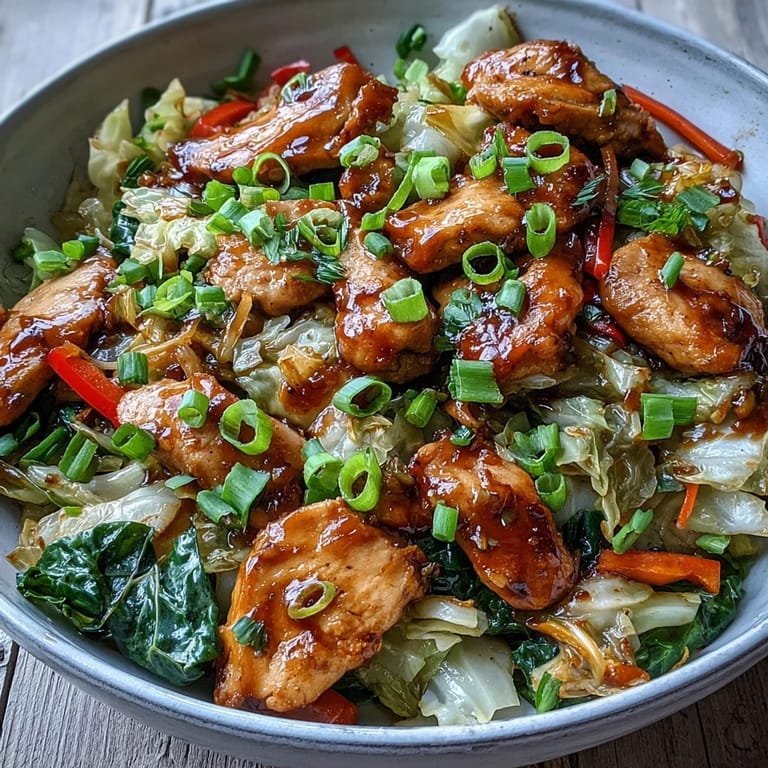
- Return the chicken to the pan, pour in the sauce, and toss everything together over the heat for 2 to 3 minutes. The sauce will thicken and cling to the chicken and vegetables, coating every bite with that glossy, savory glaze.
- Finish and taste:
- Stir in the sliced green onions, taste a piece of chicken or cabbage, and adjust with a splash more soy sauce or a pinch of sugar if needed. Serve it hot, straight from the pan.
 Save to Pinterest
 The first time I served this with a bowl of jasmine rice, my husband looked up after his third bite and said it tasted better than the place we used to order from on Fridays. I'm not sure if that's entirely true, but it's become our go to when we want something fast, satisfying, and just a little bit special without the delivery fee. Some nights, that's all you need.
How to Make It Your Own
This recipe is forgiving in the best way. I've swapped the chicken for tofu (press it well and cube it instead of slicing), shrimp (cook it even faster, about 2 minutes), and even thinly sliced pork when that's what I had. If you like heat, add a pinch of chili flakes or a drizzle of chili oil at the end. I've also tossed in snap peas, broccoli, and mushrooms depending on what's in the fridge, and it's never been anything less than delicious. The sauce is the constant, everything else is just a canvas.
Serving Suggestions
We usually pile this over jasmine rice because it soaks up the sauce and makes the whole thing feel like a complete meal. Brown rice works if you want something heartier, and I've served it over rice noodles when I wanted it to feel a little more like takeout. Sometimes I'll sprinkle sesame seeds on top or add a wedge of lime on the side for anyone who wants an extra hit of brightness. It's one of those dishes that tastes just as good tucked into a lunch container the next day, maybe even better once the flavors have had time to settle.
Storage and Reheating
Leftovers keep in an airtight container in the fridge for up to four days, and they reheat beautifully in a skillet over medium heat with a splash of water to loosen the sauce. I don't recommend freezing it because the cabbage gets a little sad and watery when thawed, but honestly it never lasts long enough in our house for that to be an issue.
- Reheat gently in a pan instead of the microwave to keep the vegetables from turning mushy.
- Add a handful of fresh greens like spinach or bok choy when reheating to make it feel like a brand new meal.
- If the sauce has thickened too much in the fridge, a tablespoon of water or broth will bring it back to life.
 Save to Pinterest
 This is the kind of dinner that makes weeknights feel manageable, the kind you can pull off even when you're running on fumes and the idea of chopping vegetables feels like a mountain. Once you make it a couple times, it becomes second nature, and that's when it really starts to feel like your own.
Recipe FAQs
- → Can I use a different protein instead of chicken?
Yes, you can easily substitute tofu, shrimp, or thinly sliced beef or pork. Adjust cooking times accordingly—shrimp cooks faster while beef may need slightly longer.
- → How do I keep the cabbage crisp and not soggy?
Cook the cabbage over high heat and don't overcrowd the pan. Stir-fry for only 3-4 minutes until crisp-tender. The key is to keep the vegetables moving and avoid adding too much liquid at once.
- → Can I make this dish gluten-free?
Absolutely. Use tamari instead of regular soy sauce and check that your oyster sauce and hoisin sauce are certified gluten-free. Many Asian sauce brands now offer gluten-free versions.
- → What can I serve with this stir-fry?
This pairs beautifully with steamed jasmine rice, brown rice, or Asian noodles. You can also serve it over cauliflower rice for a lower-carb option.
- → How long will leftovers keep?
Store leftovers in an airtight container in the refrigerator for up to 3 days. Reheat in a skillet over medium heat or in the microwave until warmed through.
- → Can I add more vegetables to this dish?
Yes, snap peas, broccoli, mushrooms, or bok choy would all work wonderfully. Add harder vegetables like broccoli earlier in the cooking process and tender greens toward the end.