 Save to Pinterest
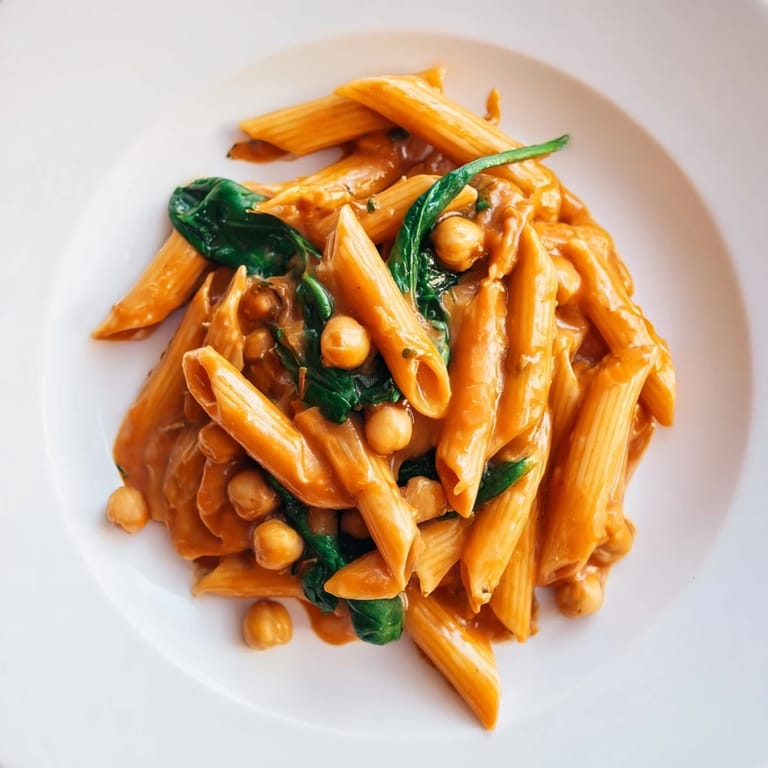
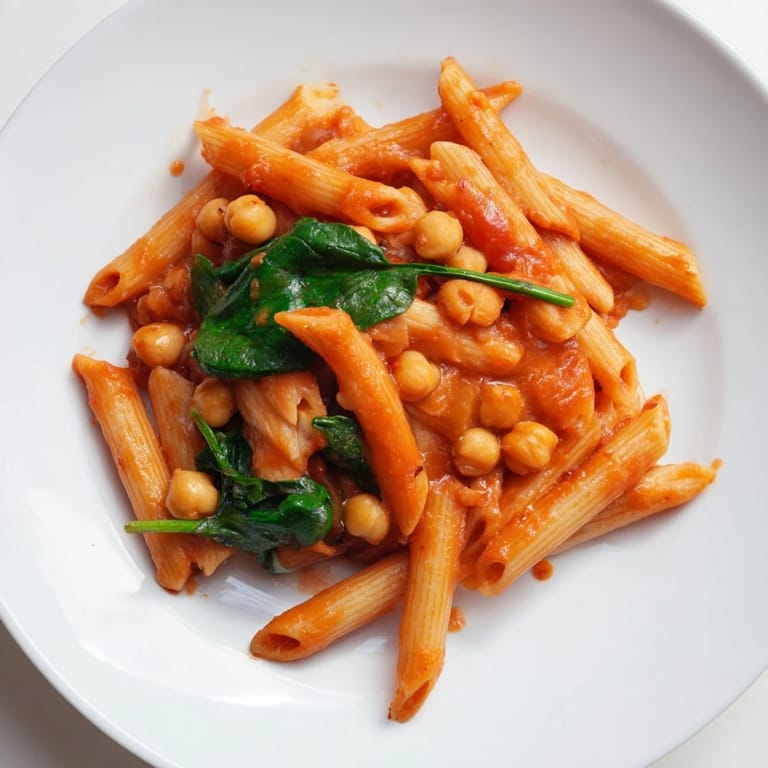
 One rainy Thursday evening, I opened my pantry and found chickpeas, a lonely can of tomatoes, and some wilting spinach in the crisper. I wasn't in the mood for plain pasta again, so I started throwing things into a pan with no real plan. The garlic hit the oil and filled the kitchen with that unmistakable warmth, and suddenly I was improvising something that felt both indulgent and practical. What came together was creamy, rich, and surprisingly elegant for a dish born out of leftovers and luck.
I made this for my sister when she came over after a long day at work, and she ate two bowls without saying much, which is her version of a compliment. She kept dragging her spoon along the bottom of the bowl to get every last bit of the creamy sauce. When she finally looked up, she just said, this is exactly what I needed. That moment reminded me that good food doesn't have to be complicated to feel like care.
Ingredients
- Short pasta (penne, rigatoni, or fusilli): The ridges and curves catch the creamy sauce beautifully, so choose a shape with texture and don't overcook it or it'll turn mushy in the sauce.
- Olive oil: This is your flavor foundation, so use something you'd happily dip bread into, not the dusty bottle from two years ago.
- Yellow onion: Finely chopped onion melts into the sauce and adds a sweet, savory backbone that balances the acidity of the tomatoes.
- Garlic: Fresh minced garlic is non negotiable here, it blooms in the oil and makes your kitchen smell like an Italian grandmother is visiting.
- Chickpeas: They add heartiness and a subtle nutty flavor, plus they soak up the sauce like little flavor sponges.
- Diced tomatoes: The base of your sauce, bringing bright acidity and body, I prefer fire roasted if I can find them for a little extra depth.
- Vegetable broth: Loosens the sauce and adds a layer of savory richness, you can use pasta water in a pinch but broth is better.
- Dried oregano and thyme: These bring that unmistakable Mediterranean warmth, don't skip them even if you think dried herbs don't matter.
- Crushed red pepper flakes: Optional but highly recommended, they add a gentle heat that wakes up the whole dish without overpowering it.
- Heavy cream or plant based cream: This transforms the tomato base into something silky and luxurious, stirred in at the end so it stays velvety.
- Parmesan cheese: Adds salty, umami depth and helps thicken the sauce, use the real stuff or a good vegan alternative that melts.
- Fresh baby spinach: Wilts right into the sauce and adds color, nutrition, and a slight earthiness that balances the richness.
- Fresh basil leaves: Torn over the top at the end, they bring a pop of freshness and make the whole dish feel restaurant worthy.
Tired of Takeout? 🥡
Get 10 meals you can make faster than delivery arrives. Seriously.
One email. No spam. Unsubscribe anytime.
Instructions
- Boil the pasta:
- Get a large pot of salted water rolling at a full boil, then add your pasta and cook it until it still has a little bite, just shy of fully tender. Before you drain it, scoop out half a cup of that starchy pasta water, it's liquid gold for adjusting your sauce later.
- Sauté the aromatics:
- While the pasta bubbles away, heat olive oil in a large skillet over medium heat and add the chopped onion, stirring occasionally until it turns soft and translucent. Toss in the garlic and let it sizzle for about a minute until your kitchen smells incredible, but don't let it brown or it'll turn bitter.
- Simmer the chickpea mixture:
- Stir in the chickpeas, diced tomatoes, vegetable broth, oregano, thyme, red pepper flakes, salt, and pepper, then let everything simmer gently for about 10 minutes, stirring now and then. The sauce will thicken slightly and the flavors will meld into something cohesive and comforting.
- Add the cream and cheese:
- Lower the heat and pour in the cream, then sprinkle in the Parmesan, stirring until the sauce turns glossy and creamy. This is the moment the dish transforms from rustic to luxurious.
- Wilt the spinach:
- Add the fresh spinach in handfuls, stirring gently as it collapses into the sauce, which only takes a couple of minutes. It'll look like a lot at first, but it shrinks down fast and adds a lovely pop of green.
- Toss with pasta:
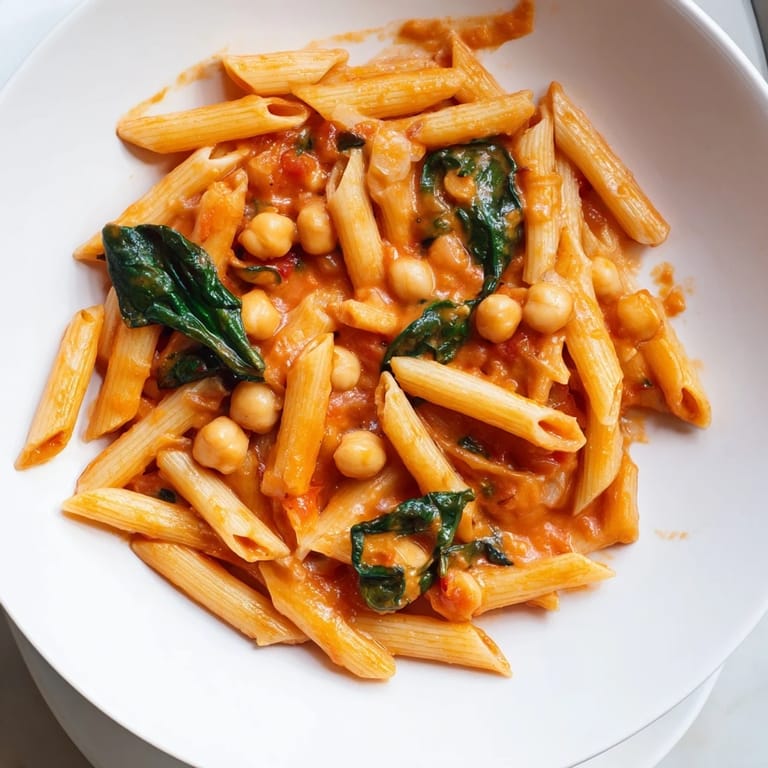
- Add the drained pasta directly to the skillet and toss everything together, adding splashes of reserved pasta water until the sauce coats every piece beautifully. The starch from the water helps the sauce cling and creates that silky, restaurant quality finish.
- Serve and garnish:
- Plate it up immediately while it's still steaming, then scatter torn basil leaves and extra Parmesan over the top. Serve it with crusty bread if you have it, because that sauce is too good to waste.
 Save to Pinterest
 The first time I brought this to a potluck, someone asked if I'd ordered it from a restaurant and just reheated it. I laughed, but honestly it felt like the highest compliment. This dish has a way of making an ordinary Tuesday feel a little special, and that's the kind of magic I want from my weeknight cooking.
Making It Your Own
This recipe is forgiving and loves improvisation. If you want a vegan version, swap in coconut cream or cashew cream and use nutritional yeast or vegan Parmesan, the texture stays just as luscious. You can also add sun dried tomatoes for a tangy sweetness, or stir in roasted red peppers for a smoky depth. I've made it with kale instead of spinach when that's what I had, and it worked beautifully, just give it an extra minute to soften. Don't be afraid to taste as you go and adjust the seasoning to match your mood.
What to Serve Alongside
This pasta is hearty enough to stand alone, but I love pairing it with a simple arugula salad dressed in lemon and olive oil to cut through the richness. A crusty baguette or garlic bread is perfect for mopping up every last bit of sauce, and I've never regretted having extra bread on the table. If you're feeling fancy, pour a chilled glass of Pinot Grigio or a light Vermentino, the acidity balances the creaminess and makes the whole meal feel a little more special. For a cozy night in, sparkling water with a wedge of lemon does the trick just as well.
Storage and Reheating
Leftovers keep well in an airtight container in the fridge for up to three days, though the pasta will soak up some of the sauce as it sits. When you reheat it, add a splash of vegetable broth or even a little cream to bring the sauce back to life, and warm it gently on the stovetop over low heat, stirring often. I don't recommend freezing this one because the cream can separate and the texture of the pasta suffers, but if you do freeze it, expect to add extra liquid and stir it well when reheating. Honestly, this dish is so quick to make that I usually just cook it fresh when the craving hits.
- Store in the fridge for up to three days in a sealed container.
- Reheat gently on the stovetop with a splash of broth or cream to loosen the sauce.
- Freezing isn't ideal, but if you must, thaw in the fridge overnight and reheat slowly with extra liquid.
 Save to Pinterest
 This dish has become one of those recipes I return to when I need something comforting, nourishing, and a little bit indulgent all at once. I hope it becomes that for you too.
Recipe FAQs
- → Can I prepare this dish ahead of time?
Yes, you can make the sauce up to 24 hours in advance and refrigerate it. Reheat gently before tossing with freshly cooked pasta. However, it's best to combine everything just before serving for optimal texture and creaminess.
- → What type of pasta works best?
Short pasta shapes like penne, rigatoni, or fusilli work wonderfully as they catch and hold the creamy sauce. Avoid long pasta like spaghetti, which tends to slide off the sauce. For gluten-free diets, use quality gluten-free alternatives.
- → How do I prevent the sauce from being too thick or thin?
The reserved pasta water is your secret weapon. Add it gradually while tossing the pasta with the sauce until you reach your preferred consistency. Start with a small amount and increase as needed—you can always add more but can't remove excess liquid.
- → Can I use canned tomatoes instead of fresh?
Canned diced tomatoes are actually recommended for this dish and provide consistent flavor year-round. San Marzano varieties offer excellent depth. If using fresh tomatoes, you'll need about 600g ripe tomatoes, diced, though the cooking time may vary slightly.
- → What are good substitutions for dietary restrictions?
For vegan diets, replace heavy cream with coconut cream or oat-based alternatives and use nutritional yeast instead of Parmesan. For gluten-free, use certified gluten-free pasta. Kale works as a spinach substitute, and you can swap chickpeas for white beans if needed.
- → How should I store leftovers?
Transfer any leftovers to an airtight container and refrigerate for up to 3 days. Reheat gently over low heat on the stovetop, adding a splash of milk or broth to restore creaminess. Avoid microwaving, which can cause the sauce to break down.